US Robotics

bg_image
surface-finishing-banner-1

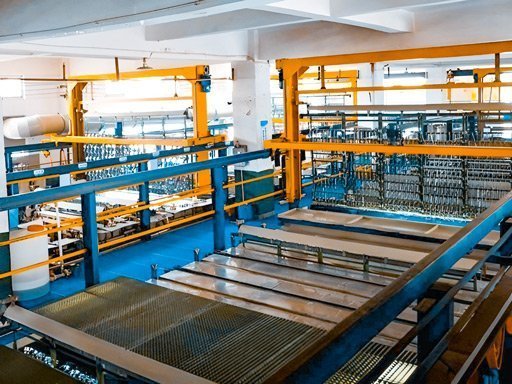
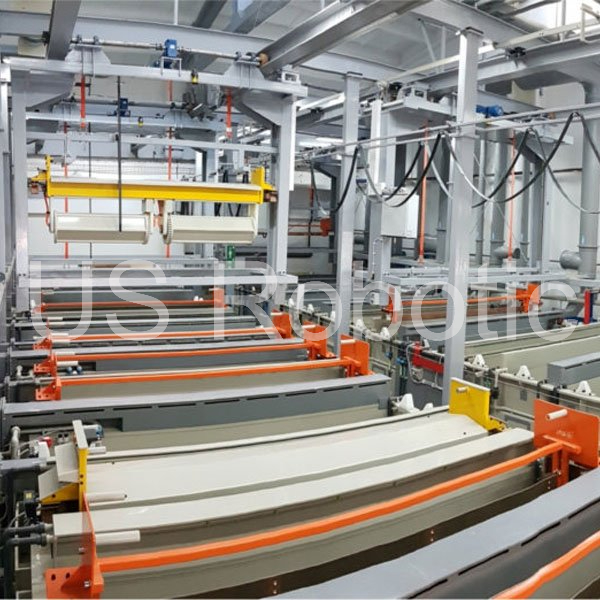
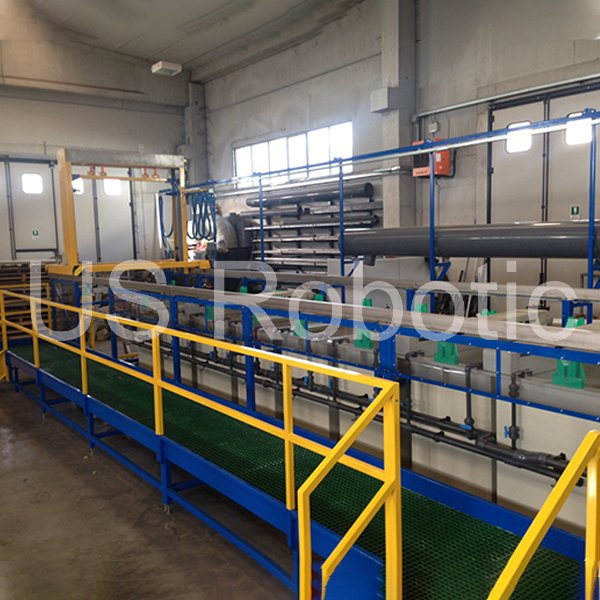
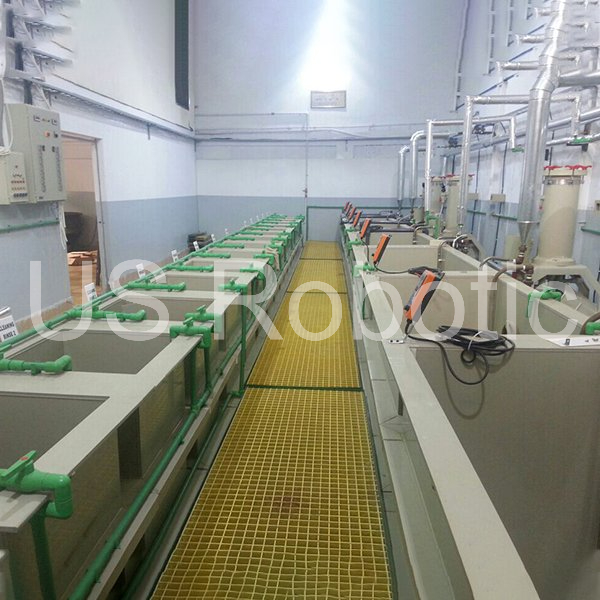
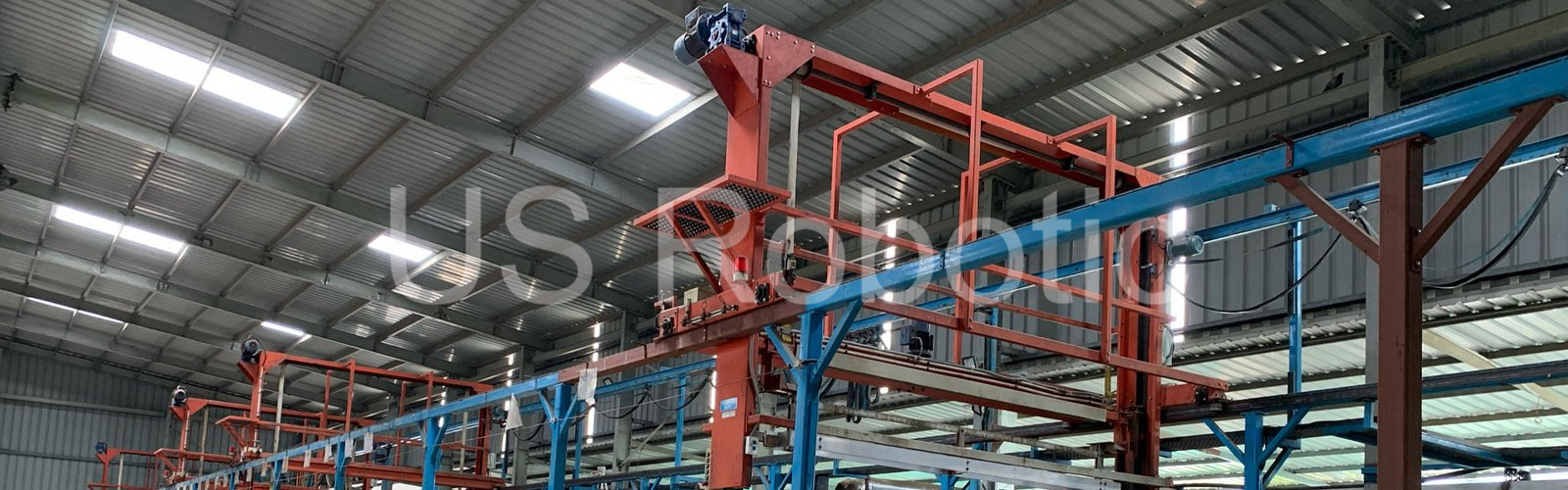
Surface coating plants are used to finish metal and plated products, providing corrosion protection, enhancing durability, and improving appearance.

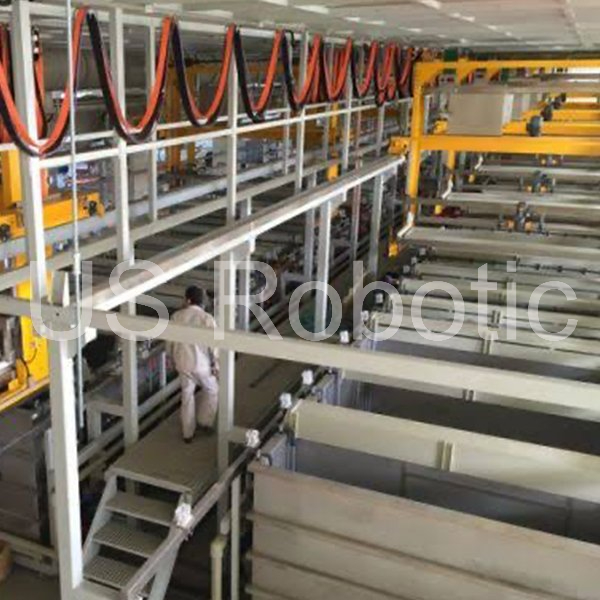
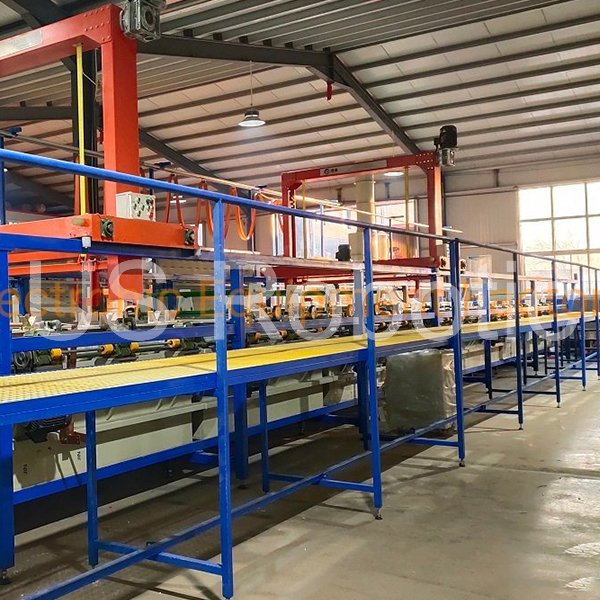
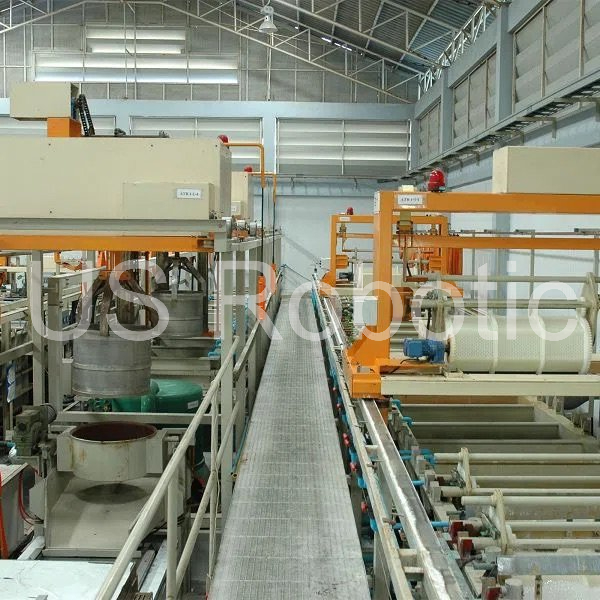
US Robotics manufactures customized surface finishing and electroplating plants, including wet spray and powder coating booths, tailored to your process, finish requirements, and budget.

Our facilities prioritize worker safety and environmental protection. We provide customized solutions to reduce costs by including only the features your business truly needs.

Applications:

Electrical appliances and components, machinery and equipment, automotive and truck repairs, bus building and refurbishing, metal and wood works, plastic components, and more.

US Robotics works closely with you to deliver efficient plant engineering, ensuring minimal project timelines, on-budget execution, and the highest level of customer satisfaction.

Types of Surface Plating
Nickel Plating

Nickel is the most widely used electroplated deposit, primarily for ornamental finishes. Bright chrome is typically applied over nickel, providing corrosion and wear resistance, high-temperature tolerance, and enhanced aesthetics.

Nickel Plating Types:

Electroless Nickel

This dip technique, used in aerospace, industrial, and defense applications, imparts exceptional hardness and wear resistance.

Plating in Zinc and Zinc Alloys

Zinc plating offers a corrosion-resistant, attractive finish and is commonly used on iron and steel, providing several advantages over hot-dip galvanizing.

US Robotics offers the following zinc plating plants:

US Robotics offers the following zinc alloy plating plants:

Bright Chrome Plating

Bright Chrome is a layer of chrome applied over nickel-plated components, primarily used for decorative purposes.

Hard Chrome Plating

Hard chrome plating creates thick, hard, and abrasion-resistant surfaces, typically applied directly to the base metal without pre-etching. It is commonly used on rollers, hydraulic shafts, shock absorbers, and similar components.

Copper Plating

Copper plating serves two main purposes: it can be bright or matte and is suitable for both decorative and industrial applications. Its unique color makes it ideal for various aesthetic uses.

US Robotics mainly offer two types of Copper Plating:

Gold Plating

Gold plating is primarily used as a decorative coating for jewelry, flatware, and similar items. For wear-resistant applications, a thicker gold layer is applied using the cyanide process. Its unique properties also make it valuable in the electronics industry.

Silver Plating

Silver plating can be applied as a soft matte or bright finish depending on whether the purpose is decorative or functional. It is widely used in jewelry, cutlery, and ornamental items, and also in industrial applications due to its conductivity, such as in switchgear components and aluminum parts.

Tin

Electroplated tin is widely used as a protective coating for both ferrous and non-ferrous metals, in dull or bright finishes. It is commonly applied to busbars for electrical purposes. Tin and tin-alloy coatings are utilized in both decorative and industrial applications, and acid tin plating is often applied after nickel and copper plating.

Lead-Tin

US Robotics offers Lead-Tin plating plants designed for applications like tin plating, providing reliable and efficient surface finishing solutions.

Cadmium

Cadmium plating is a cyanide-based process applied in matte or bright finishes to provide both aesthetic appeal and corrosion resistance. It is commonly used to protect iron and steel, especially in marine, aerospace, and defense applications.

Plating on Plastics

Electroplating on modern synthetic polymers like ABS is called plastic plating. These electroplated plastics are durable, corrosion-resistant, and commonly used in automotive applications such as interior trims, handles, grilles, and knobs. Nickel-chrome plating is applied after extensive pretreatment to make ABS conductive.

Anodizing

To meet evolving customer needs, US Robotics conceptualizes, designs, manufactures, and installs anodizing plants.

Anodizing, or anodic oxidation, is an electrochemical process that forms a protective aluminium oxide layer on component surfaces, widely used in aerospace for corrosion resistance.

Anodizing shields components from moisture and dust, enhances hardness, abrasion, wear, and corrosion resistance, and provides an attractive finish.
Phosphating

US Robotics conceptualizes, designs, manufactures, and installs Phosphating Plants.

Phosphate conversion coating is a chemical treatment that deposits a thin layer of zinc or manganese phosphates on steel parts, providing corrosion resistance, lubrication, and a base for further coatings.

Phosphate coatings are widely used in manufacturing for mechanical production and surface finishing. In the aerospace industry, they help prevent corrosion and reduce wear on components.

Pickling

US Robotics designs, manufactures, and installs turnkey Pickling Plants for industrial applications.

Pickling is an acid-based process that removes scale and oxides from steel surfaces, preparing them for further processing like cold rolling, drawing, or shaping. Scale forms when hot-rolled steel cools and reacts with oxygen in the air.

Scale is brittle and adheres strongly, making it difficult to remove. Steel pickling is the most common method used in steel manufacturing to effectively eliminate these surface scales.